

On the 3rd of July, the Policy paper was released – Fit for the future: 10 Year Health Plan for England. Today, after several meetings, the start of the dental plan has begun. With much talk of the need for change, the dental plan started to unfold.
Today (8th July, 2025), the NHS dentistry contract: ‘quality and payment reforms – consultation document has been launched’, with a link to the consultation. It closes on the 19th August, 2025.
JASON WONG VIDEO https://x.com/i/status/1941088402205560924
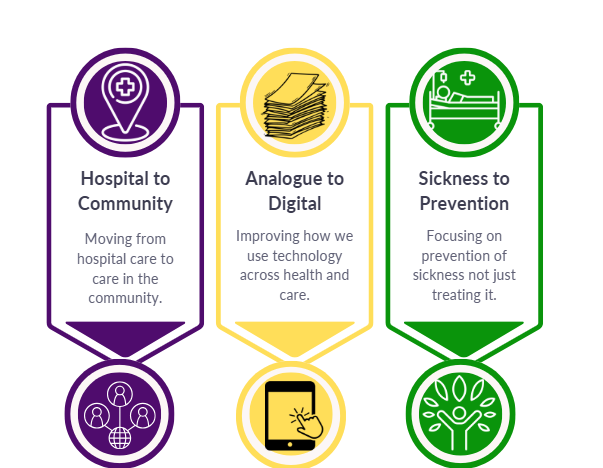
The 3 shifts are the central focus when it comes to what this means.
Please note the title ‘Dental Nurse’ has been substituted for EDDN – NOT BY THE SOCIETY
There is evidence to suggest that 2 of the most cost-effective and evidence-based prevention activities in children are currently under-utilised:
- the regular application of fluoride varnish as a primary and secondary prevention measure
- the application of fissure sealants as a primary and secondary prevention measure
While the reasons for this are multi-factorial, we have identified 2 which are amenable to contract reform:
- barriers to the utilisation of the wider dental team to apply fluoride varnish without a full dental examination
- the under-remuneration of fissure sealants as a primary prevention intervention
Proposal for fluoride varnish application by EDDNs
To support practices to deliver regular fluoride varnish in a cost-effective way, we propose to introduce a new course of treatment, paid at 0.5 UDAs, which will allow extended duty dental nurses (EDDNs) to apply fluoride varnish without requiring a dental examination.
Evidence-based guidance recommends that clinically low risk children should receive a dental check-up on an annual basis with fluoride varnish applied every 6 months and clinically high risk children should receive fluoride varnish every 3 months. Currently, these children, if they attend a dental practice regularly, will be having a band 1 check-up, delivered by dentists, every 6 months or 3 months to support this.
Allowing EDDNs to provide fluoride varnish would enable practices to set up specific clinics to deliver this at times convenient for children and their parents, thereby releasing dentists’ time to undertake more complex work, while supporting the implementation of evidence-based and cost-effective preventive care.
The Society are pleased to see that the dental nurse is being recognised in the plan. We are keen to see what the mobilisation looks like and the thinking behind the training etc. More importantly, we would like to be assured that those involved do not become ‘fluoride dabbers’ and that the broader oral health picture is part of this work, including oral health messages and behaviour change. Dental nurses and oral health practitioners are well placed to undertake this work.
Finally
Please respond to the consultation

https://www.gov.uk/government/consultations/nhs-dentistry-contract-quality-and-payment-reforms